
Search results will appear as highlighted text.
Quick Navigation
INTRODUCTIONAN UNCONTROLLED THOUGHT LIFETHE POWER OF THOUGHTS: AS A MAN THINKSPRIDE, LUST, AND GUARDING THE MINDAN UNCONTROLLED TONGUELYINGSTEALINGCHEATINGSUMMARYSUBMISSION TO COGMA FOR APPRAISAL
INSTRUCTIONS FOR THE STUDENT
My Study Plan:
The book of Revelation reveals Jesus Christ and shows how God’s final Gospel Day is understood through spiritual prophecy. Preparing a Study Plan before starting this Study Guide will assist you in completing it within a designated timeframe. It also helps in developing the discipline required for studying God’s Word effectively.
Proverbs 16:3:
Commit thy works unto the LORD, and thy thoughts shall be established.
My Study Guide Journal
Keep a record as you progress through your Study Guide, including the “Personal Responses”, for each section for future reference and goal setting.
Content
- INTRODUCTION
- AN UNCONTROLLED THOUGHT LIFE
- THE POWER OF THOUGHTS: AS A MAN THINKS
- AN UNCONTROLLED TONGUE
- LYING
- STEALING
- CHEATING
- SUMMARY
Important Points:
- COGMA does not claim to be infallible or the authority.
- Infallibility and authority belong only to God and His Word.
COGMA therefore strongly advises that you prayerfully study the content of each Study Guide with the heart of a Berean: “Acts 17:10-12”.
Contact and Links
Website: https://cogma.com.au/
Email: admin@cogma.org.au
Radio COGMA: https://radiocogma.com/
YouTube: https://www.youtube.com/@COGMAChannel
Facebook: https://www.facebook.com/profile.php?id=61585399471540
COGMA therefore strongly advises that you prayerfully study the content of each workbook with the heart of a Berean: "Acts 17:10-12".
INTRODUCTION
When a soul is born again, a significant victory is achieved as the individual is delivered from the powers of darkness and enters the kingdom of light. This moment of regeneration brings great rejoicing in heaven. In that moment, your sins were forgiven, and you were empowered to live above sin, enabling you to go forth conquering and to conquer.
However, this victory can be short-lived if you fail to continually deny sin and instead fall victim to it. The tempter is always seeking to draw you back into sin, risking the loss of your victory.
1 Peter 5:8 says:
“Be sober, be vigilant; because your adversary the devil, as a roaring lion, walketh about, seeking whom he may devour.”
The devil has schemes and strategies designed to trap you into sin. The purpose of this Study Guide is to illuminate the various methods the devil uses to deceive and tempt you into sinning. As you become aware of these tactics, you may also grow wise in overcoming temptation.
i.
The Battle Begins in the Mind
Unchecked thoughts can lead to bitterness, anger, anxiety, and ultimately sin. The battle for control begins in the mind. Paul highlights this spiritual battle, reminding us that we must bring every thought into captivity to obey Christ.
2 Corinthians 10:3–5 says:
“For though we walk in the flesh, we do not war after the flesh: (For the weapons of our warfare are not carnal, but mighty through God to the pulling down of strongholds;) Casting down imaginations, and every high thing that exalteth itself against the knowledge of God, and bringing into captivity every thought to the obedience of Christ.”
ii.
Renewing the Mind
A key to winning this battle is renewing the mind. Romans 12:2 urges believers not to conform to worldly thinking but to be transformed by the renewing of the mind. This transformation allows us to discern God's perfect will and follow His path.
Romans 12:2 says:
“And be not conformed to this world: but be ye transformed by the renewing of your mind, that ye may prove what is that good, and acceptable, and perfect, will of God.”
Isaiah further emphasises that God's thoughts are higher than ours, and to align ourselves with Him, we must abandon unrighteous thoughts and embrace His ways.
Isaiah 55:8–9 says:
“For my thoughts are not your thoughts, neither are your ways my ways, saith the LORD. For as the heavens are higher than the earth, so are my ways higher than your ways, and my thoughts than your thoughts.”
The mind is the battleground for spiritual warfare, and controlling our thoughts is key to living a victorious Christian life. By capturing every thought and renewing our minds through God's Word, we can overcome sin, resist temptation, and live in obedience to Christ.
Personal Response
Key Truth
The born-again believer enters a significant victory, but that victory can be lost through unchecked thoughts that open the door to sin, making the mind the primary battleground of spiritual warfare and the renewal of the mind through God's Word the key to living in ongoing victory.
Personal Reflection
Since becoming a believer, have I actively engaged in the renewal of my mind through God's Word, or have I allowed old worldly thought patterns to continue shaping my actions?
Action Step
This week, each time a wrong thought arises, deliberately bring it into captivity as 2 Corinthians 10:5 instructs, by replacing it immediately with a truth from Scripture rather than entertaining it.
AN UNCONTROLLED THOUGHT LIFE
An uncontrolled thought life is often the precursor to sin. Every action you take, whether good or bad, begins with a thought. Job understood how thoughts lead to action.
Job 20:2 says:
“Therefore do my thoughts cause me to answer, and for this I make haste.”
Whether in words or behaviour, our thoughts prompt us to act. The important question is which thoughts are we acting upon. If we can halt wrong thoughts, we can prevent wrong actions. An uncontrolled thought life creates fertile ground for harmful thoughts to grow, leading to bitterness, discouragement, depression, anger, anxiety, revenge, and temptation.
Before we were in Christ, we thought like the world and behaved accordingly. However, that worldly mindset did not serve us well, leading us into sin and separation from God. This is why regeneration is necessary, not only for salvation but for a renewed mind.
Isaiah 55:7 says:
“Let the wicked forsake his way, and the unrighteous man his thoughts: and let him return unto the LORD, and he will have mercy upon him; and to our God, for he will abundantly pardon.”
i.
Joseph's Example: The Power of Forgiveness
Consider the story of Joseph in Genesis. After being sold into slavery by his brothers and later rising to power in Egypt, Joseph faced an opportunity for revenge. His brothers feared he would retaliate after their father's death.
Genesis 50:15 says:
“And when Joseph's brethren saw that their father was dead, they said, Joseph will peradventure hate us, and will certainly requite us all the evil which we did unto him.”
Despite his brothers' fears, Joseph did not harbour bitterness or seek revenge. He recognised that God had a greater purpose in his suffering.
Genesis 45:5–8 says:
“Now therefore be not grieved, nor angry with yourselves, that ye sold me hither: for God did send me before you to preserve life… So now it was not you that sent me hither, but God.”
Genesis 50:19–21 says:
“Fear not: for am I in the place of God? But as for you, ye thought evil against me; but God meant it unto good, to bring to pass, as it is this day, to save much people alive.”
Joseph's thoughts were governed by humility and forgiveness, reflecting a heart transformed by God. He saw the divine plan in his suffering and treated his brothers with grace. His forgiving nature contrasts with the worldly mindset of revenge that his brothers expected.
ii.
The Mind of Christ
The renewed mind Joseph demonstrated is a reflection of the mind of Christ, which believers are called to have.
Philippians 2:5–7 says:
“Let this mind be in you, which was also in Christ Jesus: Who, being in the form of God, thought it not robbery to be equal with God: But made himself of no reputation, and took upon him the form of a servant, and was made in the likeness of men.”
Having the mind of Christ means living in humility and servanthood, choosing forgiveness over vengeance and righteousness over sin. The Christ-like mind prioritises servanthood over self-interest, moving away from self-preservation, self-pity, and self-exaltation, and seeks to fulfil God's purpose. Joseph's transformation from a self-focused young man to a servant of all, whether serving Potiphar, attending to prisoners, or leading all of Egypt, is a clear example of this renewal in action.
iii.
The Dangers of Self-Interest
The Bible is full of examples where self-centred thoughts lead to destruction. Consider Saul, whose jealousy and animosity toward David led him down a destructive path.
1 Samuel 18:25 says:
“And Saul said, Thus shall ye say to David, The king desireth not any dowry, but an hundred foreskins of the Philistines, to be avenged of the king's enemies. But Saul thought to make David fall by the hand of the Philistines.”
1 Samuel 18:29 says:
“And Saul was yet the more afraid of David; and Saul became David's enemy continually.”
Nehemiah also faced opposition while rebuilding the walls of Jerusalem. His enemies Sanballat and Geshem plotted against him with evil intent but ultimately failed.
Nehemiah 6:2 says:
“That Sanballat and Geshem sent unto me, saying, Come, let us meet together in some one of the villages in the plain of Ono. But they thought to do me mischief.”
Similarly, Haman, filled with hatred for Mordecai and the Jews, devised a plot to destroy them. His thoughts of revenge and self-exaltation led to his downfall.
Esther 9:24–25 says:
“But when Esther came before the king, he commanded by letters that his wicked device, which he devised against the Jews, should return upon his own head, and that he and his sons should be hanged on the gallows.”
In these stories, negative intentions failed due to God's intervention, and judgment followed because of the evil thoughts of the heart. By contrast, Joseph and Job both provide powerful examples of trusting in God's plan during adversity, choosing forgiveness over revenge, and living with a mindset of humility and servanthood.
Personal Response
Key Truth
An uncontrolled thought life leads to destructive actions and hindered spiritual growth, as demonstrated by Saul, Haman, and Sanballat, while Joseph and Job show that submitting thoughts to God leads to reconciliation, healing, and the ability to see God's greater purpose even in suffering.
Personal Reflection
Which biblical figure in this section most closely mirrors a thought pattern I have personally struggled with, whether Saul's jealousy, Haman's pride, or Joseph's temptation to bitterness?
Action Step
Identify one person in your own life toward whom you have harboured bitterness, anger, or a desire for revenge, and ask God this week for the grace to adopt Joseph's perspective that God meant it for good.
THE POWER OF THOUGHTS: AS A MAN THINKS
Solomon's wisdom in Proverbs highlights the significance of thoughts.
Proverbs 23:7 says:
“For as he thinketh in his heart, so is he: Eat and drink, saith he to thee; but his heart is not with thee.”
This verse shows that a person's true character is defined by their thoughts, not just their outward actions. Even kind actions are not enough if they are accompanied by wrong intentions. Ultimately, we are judged not only by what we do but by the motivations behind our actions. Thoughts that prioritise self-interest or self-motives can lead us astray and must be resisted.
Negative Emotions and Their Impact on Spiritual Life
Negative emotions can easily disrupt a Christian's spiritual walk, hindering their relationship with God and others. If not addressed properly, they lead to bitterness, self-centredness, and even doubt in God's provision. We must guard against five emotions in particular.
i.
Anger
People's actions or words can trigger anger. Joseph had every reason to be angry with his brothers for selling him into slavery. However, instead of harbouring anger, he chose forgiveness and trust in God's plan. Anger, if unchecked, can turn into bitterness.
Hebrews 12:15 says:
“Looking diligently lest any man fail of the grace of God; lest any root of bitterness springing up trouble you, and thereby many be defiled.”
When anger festers, it grows into bitterness, and bitterness can lead to evil intentions, endangering one's spiritual life. Righteous anger, on the other hand, is not self-centred and should not lead to bitterness. In challenging situations, rather than yielding to anger, believers should trust God's justice.
Romans 12:19–21 says:
“Dearly beloved, avenge not yourselves, but rather give place unto wrath: for it is written, Vengeance is mine; I will repay, saith the Lord. Therefore if thine enemy hunger, feed him; if he thirst, give him drink: for in so doing thou shalt heap coals of fire on his head. Be not overcome of evil, but overcome evil with good.”
Holding onto anger harms you, not the other person. By trusting in God's plan and letting go of anger, you free yourself from its destructive power.
ii.
Self-Pity
Self-pity is another dangerous emotion that must be dismissed. It carries the mentality of woe is me, where individuals believe their problems are greater than anyone else's. This leads to a victim mentality, where people feel targeted and treated unfairly. When people adopt a victim mentality, they often refuse to take responsibility for their actions and fail to make positive changes. Self-pity can lead to feelings of covetousness, frustration, anger towards God, and even depression. When it persists, it strips away the righteousness, peace, and joy promised in the Holy Spirit.
The remedy for self-pity is gratitude. When you start to feel sorry for yourself, shift your focus to thankfulness.
Ephesians 5:20 says:
“Giving thanks always for all things unto God and the Father in the name of our Lord Jesus Christ.”
Recall how Paul and Silas, instead of succumbing to self-pity in the Philippian jail, praised God and were freed from their chains. In the same way, we should give thanks in all circumstances, trusting that God is with us.
iii.
Fear
Fear can paralyse a person, preventing them from walking in faith. Fear, especially of the unknown, often leads to worry and doubt. This kind of fear draws attention away from God and places it on potential failures or challenges. As Corrie ten Boom rightly observed, worrying is carrying tomorrow's load with today's strength. Fear makes us doubt God's provision, leading us to make desperate decisions rather than ones led by faith.
Jesus teaches us to live without anxiety, trusting in God's daily provision.
Matthew 6:31–34 says:
“Then do not be anxious, saying, What may we eat? Or, what may we drink? Or, what may clothe us? For after all these things the nations seek. For your heavenly Father knows that you have need of all these things. But seek first the kingdom of God and His righteousness, and all these things will be added to you. Then do not be anxious for tomorrow. For the morrow will be anxious of itself. Sufficient to each day is its own trouble.”
Decisions made in fear often favour the flesh over the Spirit. Instead, we should act with a sound mind, trusting that God knows what we need and will provide accordingly. To combat fear, remind yourself of God's promises.
Jeremiah 29:11 says:
“For I know the thoughts that I think toward you, saith the LORD, thoughts of peace, and not of evil, to give you an expected end.”
When faced with fear, bring your concerns to God in prayer.
Philippians 4:6 says:
“Be careful for nothing; but in every thing by prayer and supplication with thanksgiving let your requests be made known unto God.”
Personal Response
Key Truth
The five negative emotions of anger, self-pity, fear, pride, and lust can only disrupt your Christian walk if you allow them to enter and take root, and each has a specific scriptural antidote: trust God's justice for anger, gratitude for self-pity, prayer and God's promises for fear.
Personal Reflection
Of the five negative emotions covered in this Study Guide so far, anger, self-pity, and fear, which one is currently the most active battle in my own thought life?
Action Step
Apply the specific scriptural antidote for the emotion you identified this week: for anger, Romans 12:19–21; for self-pity, Ephesians 5:20; for fear, Philippians 4:6 and Jeremiah 29:11.
PRIDE, LUST, AND GUARDING THE MIND
i.
Pride
Thoughts that lead to pride or self-elevation must be actively rejected. Pride elevates oneself above God, creating a sense of self-sufficiency that contradicts the humility required in a life of faith.
Proverbs 16:18 says:
“Pride goeth before destruction, and an haughty spirit before a fall.”
To overcome pride, reflect on your state before salvation, when you realised your insufficiency and need for God. Recognising that your current status is due to God's grace is a humbling realisation.
John 15:5 says:
“I am the vine, ye are the branches: He that abideth in me, and I in him, the same bringeth forth much fruit: for without me ye can do nothing.”
Whenever pride surfaces, remember that without God, you can achieve nothing of eternal significance. The twenty-four elders in Revelation serve as a beautiful example of humility, casting their crowns before God's throne, giving Him all the glory.
Revelation 4:10 says:
“The four and twenty elders fall down before him that sat on the throne, and worship him that liveth for ever and ever, and cast their crowns before the throne, saying, Thou art worthy, O Lord, to receive glory and honour and power: for thou hast created all things, and for thy pleasure they are and were created.”
ii.
Lust
Lust, whether the lust of the flesh, lust of the eyes, or the pride of life, can lead you away from God. These worldly desires distract from the immense value of salvation. Everything worldly, including these lusts, is temporary and will pass away.
1 John 2:16–17 says:
“For all that is in the world, the lust of the flesh, and the lust of the eyes, and the pride of life, is not of the Father, but is of the world. And the world passeth away, and the lust thereof: but he that doeth the will of God abideth for ever.”
Understanding the eternal worth of your soul helps you recognise that the temporary pleasures of this world are not worth sacrificing the precious gift of salvation. Jesus saw the value of your soul as worth His own sacrifice, and you should view your soul with the same reverence and care.
iii.
Guarding Against Negative Thoughts
We have addressed anger, self-pity, fear, pride, and lust, all of which have the potential to lead a person from victory to defeat. These negative thoughts can only impact your life if you allow them to enter. Just as a ship cannot sink unless water gets inside, the negativity of the world cannot bring you down unless you let it infiltrate your mind.
Controlling your thoughts is key. You must be mindful of the influences that shape your thinking. To maintain your Christian walk and keep your thoughts pure, follow Paul's guidance.
Philippians 4:8 says:
“Finally, brethren, whatsoever things are true, whatsoever things are honest, whatsoever things are just, whatsoever things are pure, whatsoever things are lovely, whatsoever things are of good report; if there be any virtue, and if there be any praise, think on these things.”
Negative thoughts, whether anger, self-pity, or fear, must be controlled and submitted to the obedience of Christ. Through God's strength, we can overcome these emotions and walk in victory, reflecting the mind of Christ in all that we do.
The power of our thoughts plays a vital role in shaping our character, actions, and spiritual life. As Proverbs 23:7 reminds us, as a man thinks in his heart, so is he. Aligning our thoughts with God's will is essential for maintaining a strong, healthy relationship with Him. By feeding our minds with truth through God's Word, we enable ourselves to overcome the temptations and distractions of the world and walk in His peace, joy, and victory.
Personal Response
Key Truth
Pride places self above God, lust replaces God with the temporary pleasures of the world, and neither can take root in a mind actively feeding on what is true, honest, just, pure, lovely, and of good report, as Philippians 4:8 instructs.
Personal Reflection
Of the five emotions covered across this and the previous section, anger, self-pity, fear, pride, and lust, which combination most frequently works together in my own thought life?
Action Step
Apply the ship analogy this week: identify one specific influence, whether a habit, a relationship, a form of media, or a pattern of thinking, that is allowing water into your ship, and make a deliberate decision to stop it.
AN UNCONTROLLED TONGUE
The tongue holds tremendous power, as explained by James. It can either uplift or destroy, impacting not only relationships but also one's spiritual health.
James 3:2–10 says:
“For in many things we offend all. If any man offend not in word, the same is a perfect man, and able also to bridle the whole body. Behold, we put bits in the horses' mouths, that they may obey us; and we turn about their whole body. Behold also the ships, which though they be so great, and are driven of fierce winds, yet are they turned about with a very small helm, whithersoever the governor listeth. Even so the tongue is a little member, and boasteth great things. Behold, how great a matter a little fire kindleth! And the tongue is a fire, a world of iniquity: so is the tongue among our members, that it defileth the whole body, and setteth on fire the course of nature; and it is set on fire of hell. For every kind of beasts, and of birds, and of serpents, and of things in the sea, is tamed, and hath been tamed of mankind: But the tongue can no man tame; it is an unruly evil, full of deadly poison. Therewith bless we God, even the Father; and therewith curse we men, which are made after the similitude of God. Out of the same mouth proceedeth blessing and cursing. My brethren, these things ought not so to be.”
James uses strong imagery, likening the tongue to a fire capable of consuming everything in its path. Controlling the tongue is a sign of wisdom.
Proverbs 10:19 says:
“In the multitude of words there wanteth not sin: but he that refraineth his lips is wise.”
By speaking less and choosing words carefully, we reduce the chance of sinning with our speech. The devil often uses an uncontrolled tongue to his advantage through spreading lies and deceit; encouraging gossip and slander; instigating conflicts and disagreements; promoting discouraging and negative speech; and leading to false teachings and misguidance.
i.
Gossip and Slander
Gossip and slander arise from a selfish desire to feel superior or gain attention by highlighting others' faults. These actions show little concern for the damage caused, including humiliation and the destruction of reputations.
Proverbs 18:8 says:
“The words of a talebearer are as wounds, and they go down into the innermost parts of the belly.”
Proverbs 20:19 says:
“He that goeth about as a talebearer revealeth secrets: therefore meddle not with him that flattereth with his lips.”
To guard against gossip and slander, it is helpful to ask three key questions before speaking. First, is it true? Always verify the accuracy of information before sharing it. Many people gossip without confirming facts. Second, is it kind? Consider how the person would feel if they overheard the conversation. Third, is it necessary? Reflect on the purpose of the conversation. Does it have a positive outcome, or is it unnecessary and harmful?
ii.
Speaking in Anger or Frustration
Words spoken in anger can cause lasting damage to relationships.
Proverbs 15:1 says:
“A soft answer turneth away wrath: but grievous words stir up anger.”
Proverbs 15:18 says:
“A wrathful man stirreth up strife: but he that is slow to anger appeaseth strife.”
James offers a crucial reminder to be mindful in our responses.
James 1:19–20 says:
“Wherefore, my beloved brethren, let every man be swift to hear, slow to speak, slow to wrath: For the wrath of man worketh not the righteousness of God.”
When emotions run high, pause and seek God's guidance before responding. This self-control can prevent unnecessary hurt and help maintain peace in relationships.
iii.
The Power to Build or Destroy
The tongue can either be a tool for building others up or a weapon that destroys. As Christians, we are called to use our words to uplift and encourage.
Matthew 5:9 says:
“Blessed are the peacemakers: for they shall be called the children of God.”
By guarding our words and aligning them with God's Word, we resist the devil's attempts to use our tongue for harm and instead speak life and truth.
Personal Response
Key Truth
The tongue is a fire capable of consuming everything in its path, and James' three-fold test of a bit in a horse's mouth, a ship's helm, and a small fire kindling a great matter, all illustrate that controlling this tiny member determines the direction of the whole body.
Personal Reflection
Have I recently said something in anger, gossip, or slander that I regretted and that caused lasting damage to a relationship, and what does that reveal about the current condition of my thought life?
Action Step
Practise the three-question test before speaking this week: Is it true? Is it kind? Is it necessary? And note how many conversations it changes.
LYING
Lying, even when seemingly harmless or meant to spare someone's feelings, is a sin that the Bible clearly condemns.
Revelation 21:8 says:
“But the fearful, and unbelieving, and the abominable, and murderers, and whoremongers, and sorcerers, and idolaters, and all liars, shall have their part in the lake which burneth with fire and brimstone: which is the second death.”
This scripture ranks liars alongside some of the most serious sinners, showing that in God's eyes, lying is a grave offence. Revelation 21:27 also states that no liar will enter God's Kingdom. The story of Ananias and Sapphira in Acts 5:1–11 further illustrates how God's judgment fell upon those who lied.
As believers, we are called to live in truth and integrity in all our dealings. The world may accept lying as common or trivial, but God calls us to a higher standard.
Titus 2:7–8 says:
“In all things shewing thyself a pattern of good works: in doctrine shewing uncorruptness, gravity, sincerity, Sound speech, that cannot be condemned; that he that is of the contrary part may be ashamed, having no evil thing to say of you.”
i.
The Dangers of White Lies
Many justify the use of white lies for various reasons, whether to avoid hurting someone's feelings or to escape a difficult situation. However, the Bible does not differentiate between lies of different severities. A lie is a lie in the eyes of God. Whether large or small, lies represent a deviation from the truth, and this can harm relationships and one's spiritual walk with God.
ii.
The Impact of Words
Proverbs 15:23 says:
“A man hath joy by the answer of his mouth: and a word spoken in due season, how good is it!”
When we speak wisely and at the right time, our words can have a positive and profound impact. A well-timed word of wisdom can uplift, encourage, and guide others.
Isaiah 50:4 says:
“The Lord GOD hath given me the tongue of the learned, that I should know how to speak a word in season to him that is weary: he wakeneth morning by morning, he wakeneth mine ear to hear as the learned.”
This scripture encourages us to pray for the ability to speak appropriately, offering comfort and guidance to those in need. Our words have the power to build up or tear down.
Psalm 141:3 says:
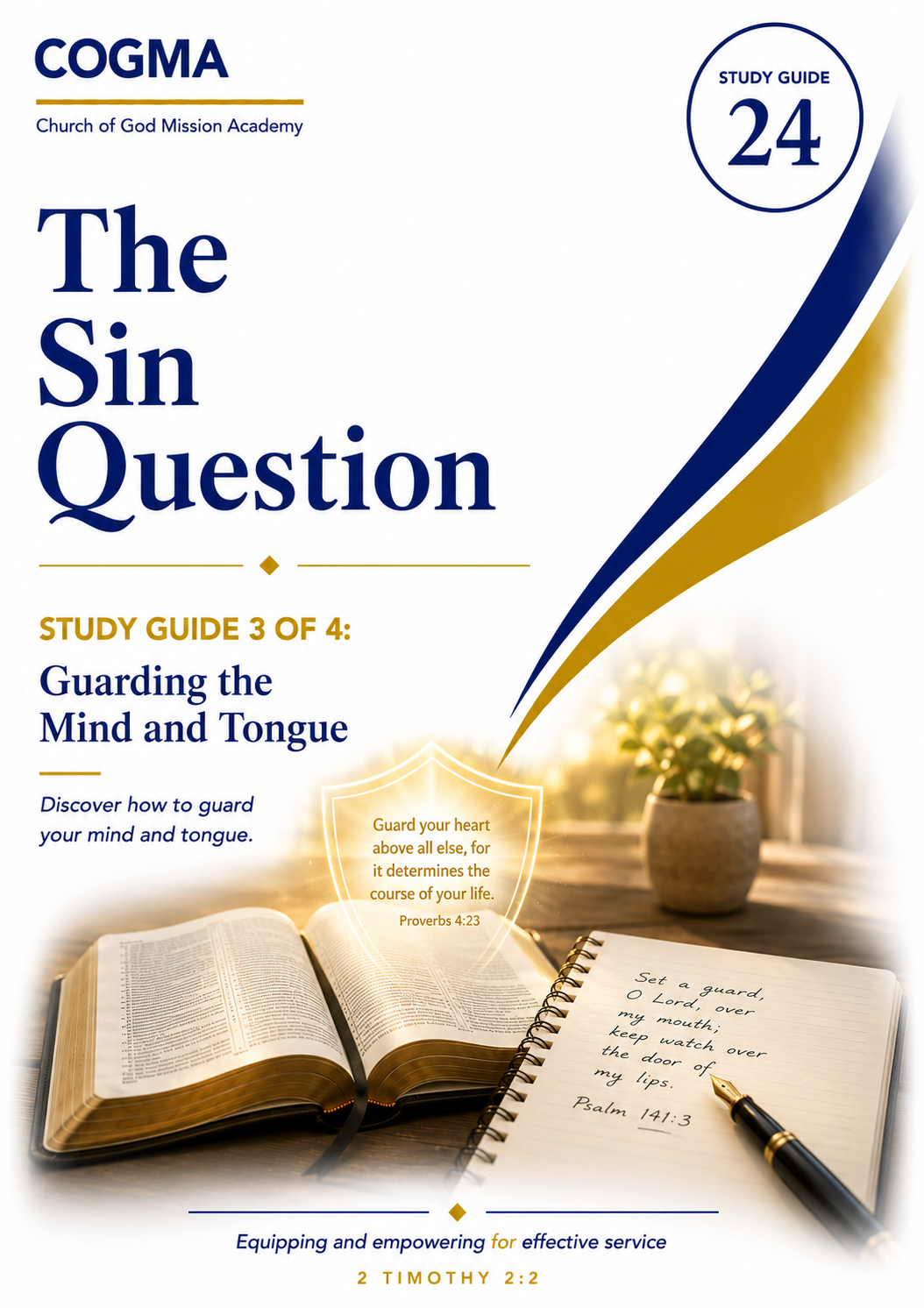
“Set a watch, O LORD, before my mouth; keep the door of my lips.”
When faced with difficult situations or conversations, it is crucial to pray for God's guidance in controlling our tongues, ensuring that our speech is true, kind, and necessary.
iii.
The Connection Between Speech and the Heart
Our speech often reflects the condition of our hearts. If bitterness, anger, or hatred fills the heart, those emotions will eventually manifest in our words.
Matthew 15:18–19 says:
“But those things which proceed out of the mouth come forth from the heart; and they defile the man. For out of the heart proceed evil thoughts, murders, adulteries, fornications, thefts, false witness, blasphemies.”
Luke 6:45 says:
“A good man out of the good treasure of his heart bringeth forth that which is good; and an evil man out of the evil treasure of his heart bringeth forth that which is evil: for of the abundance of the heart his mouth speaketh.”
What we say reveals much about what we think and feel. If our words are consistently negative or harmful, we must examine our hearts and align our thoughts with God's truth.
Proverbs 18:21 says:
“Death and life are in the power of the tongue: and they that love it shall eat the fruit thereof.”
When we speak in ways that align with God's truth, we help build others up and reflect the grace and love that God has given us. Let us consciously choose to use our words to bring life and reflect the heart of Christ.
Personal Response
Key Truth
Lying is a grave offence in God's eyes, with no biblical distinction between white lies and serious falsehoods, and our speech reveals the condition of our heart, since out of the abundance of the heart the mouth speaketh, making the health of the heart the ultimate source of the words we use.
Personal Reflection
Have I ever justified a lie as harmless or kind, and how does God's clear standard in Revelation 21:8 change how I see even minor deceptions?
Action Step
Pray Psalm 141:3 daily this week, set a watch, O LORD, before my mouth; keep the door of my lips, making it a specific daily request for God's help in governing your speech.
STEALING
The act of stealing encompasses much more than the obvious forms, such as shoplifting or robbery. It refers to taking anything that does not belong to you, whether tangible or intangible, without permission or right. This could include intellectual property, digital files, or even ideas.
i.
A False Balance
Solomon warns against dishonesty in transactions.
Proverbs 11:1 says:
“A false balance is abomination to the LORD: but a just weight is his delight.”
This proverb refers to the dishonest practice of using inaccurate scales to deceive customers, a form of theft. In modern contexts, stealing occurs in business through deceptive practices that fail to deliver the true value of goods or services.
Deuteronomy 25:13–16 says:
“Thou shalt not have in thy bag divers weights, a great and a small. Thou shalt not have in thine house divers measures, a great and a small. But thou shalt have a perfect and just weight, a perfect and just measure shalt thou have: that thy days may be lengthened in the land which the LORD thy God giveth thee. For all that do such things, and all that do unrighteously, are an abomination unto the LORD thy God.”
In business, it is vital to maintain honesty and transparency. Failing to provide the full value of goods or services is a form of stealing that stems from greed and dishonesty. Believers are called to a higher standard, ensuring their dealings reflect the values of integrity and honesty.
ii.
Stealing Time and Resources
Stealing can occur in the workplace as well. Consistently arriving late to work or wasting time while being paid can be seen as stealing from the employer, as it deprives them of the full value of the work they are paying for. This stems from laziness or a lack of respect for the employer's time and resources.
iii.
Robbing God
The Bible also addresses the issue of withholding what is rightfully owed to God, such as tithes and offerings. This, too, is considered stealing.
Malachi 3:8–9 says:
“Will a man rob God? Yet ye have robbed me. But ye say, Wherein have we robbed thee? In tithes and offerings. Ye are cursed with a curse: for ye have robbed me, even this whole nation.”
This scripture illustrates that withholding from God, whether financially or spiritually, is a form of theft. Faithfulness in giving reflects obedience and honours God.
The Bible provides examples of individuals who faced severe consequences for stealing. Achan in Joshua 7:20–21 stole and brought disaster upon Israel. Judas, the disciple who betrayed Jesus, was known to be a thief, stealing from the money bag, as John 12:6 records. And the thieves crucified with Jesus in Matthew 27:38 paid the ultimate price for their crimes. Failing to tithe is equated with breaking the eighth commandment, thou shalt not steal, meaning that withholding what is rightfully owed, whether to people or to God, is considered theft.
iv.
Turning from Stealing to Giving
For those who have engaged in stealing, the Bible offers a path to redemption.
Ephesians 4:28 says:
“Let him that stole steal no more: but rather let him labour, working with his hands the thing which is good, that he may have to give to him that needeth.”
This scripture instructs the thief to stop stealing and instead engage in honest work. The purpose of this work is not just for personal gain but also to help those in need. It is more fulfilling and rewarding to be a giver.
Acts 20:35 says:
“I have shewed you all things, how that so labouring ye ought to support the weak, and to remember the words of the Lord Jesus, how he said, It is more blessed to give than to receive.”
Choosing to be a giver rather than a taker aligns with Christ's teachings. Living a life that reflects generosity and honesty brings greater blessings than pursuing dishonest gain.
Personal Response
Key Truth
Stealing extends far beyond shoplifting to include dishonest business practices, wasting a paid employer's time, withholding tithes from God, and taking intellectual property, and the path of redemption is Ephesians 4:28's call to honest work for the purpose of being able to give to others in need.
Personal Reflection
Are there any subtle forms of stealing identified in this section, dishonesty in business, misuse of paid time, or withholding tithes, that I have not previously recognised as stealing in God's eyes?
Action Step
Identify one area where you may currently be taking what is not rightfully yours, however subtly, and take a concrete step this week to align your practice with Proverbs 11:1's just weight.
CHEATING
When someone buys something and it is not what was advertised, they feel cheated. This form of cheating is not new; it has been a serious problem since ancient times, even in Solomon's era. In the marketplace, merchants used scales to determine the weight and price of goods, sometimes keeping two sets of weights, one accurate and one not, to cheat those who came to do business.
Deuteronomy 25:13 says:
“Thou shalt not have in thy bag divers weights, a great and a small.”
God's Word makes it clear that dishonesty in business and daily life is unacceptable. Cheating others for personal gain, whether by using false weights or other deceptive practices, is condemned. Honesty and fairness should be guiding principles in every transaction.
i.
Modern Forms of Cheating
In modern times, cheating has taken on new forms and is often seen as acceptable. Common excuses include everybody does it; cheating never hurts anyone; and I will never pass if I do not cheat. Cheating has become widespread in academics, sports, business, politics, and even in relationships.
What is cheating? When you think of cheating, you might imagine copying someone's answers during a test. However, cheating extends beyond academics. It involves acting dishonestly or unfairly to gain an advantage. Examples include plagiarism, presenting someone else's work as your own; bribery, offering something to gain an unfair advantage; falsifying records, altering official documents or information; and unauthorised copying, sharing music, movies, or digital files illegally.
ii.
The Consequences of Cheating
There is a saying, once a cheater, always a cheater. This reflects the fact that once someone cheats, it becomes easier to cheat again, eventually becoming a habit.
Luke 16:10 says:
“He that is faithful in that which is least is faithful also in much: and he that is unjust in the least is unjust also in much.”
Even small acts of dishonesty can lead to larger issues of integrity. A person who is untrustworthy in minor matters is likely to be dishonest in more significant situations as well. Studies show that those who cheat in school are more likely to cheat in other areas of life as they grow into adulthood, including work, business, and even fidelity in marriage. While some consequences of cheating are immediate, such as failing a test or being suspended, other consequences are long-lasting. Cheaters may lose the respect of others, suffer from low ethical standards, and lack integrity.
iii.
Biblical Examples of Cheating
The Bible gives examples of cheaters who faced the consequences of their actions. Jacob cheated his brother Esau by taking his birthright and blessing, but later Jacob was cheated by his father-in-law Laban. After Jacob tricked his father Isaac into blessing him instead of Esau, he fled to live with Laban. There, Jacob agreed to work seven years to marry Laban's daughter Rachel. However, on the wedding night, Laban deceived Jacob by giving him his older daughter Leah instead. Jacob was forced to work an additional seven years to marry Rachel. This story shows how cheating others can lead to personal consequences and betrayals in the future.
The moneychangers in the temple were also cheaters, and Jesus overturned their tables in anger.
Matthew 21:13 says:
“My house shall be called the house of prayer; but ye have made it a den of thieves.”
Jesus expressed righteous anger toward those who were exploiting others for profit in a place meant for worship. Cheating and dishonesty, especially in spiritual matters, carry serious consequences.
iv.
Resist the Temptation to Cheat
If you have cheated and seemingly gotten away with it, do not be deceived. God's Word warns us that nothing will remain hidden.
Luke 8:17 says:
“For nothing is secret, that shall not be made manifest; neither any thing hid, that shall not be known and come abroad.”
Even if cheating seems to go unnoticed by others, God sees everything. It is better to walk in honesty and integrity. While cheating may seem like an easy way out, Proverbs 10:9 warns against dishonesty.
Proverbs 10:9 says:
“He that walketh uprightly walketh surely: but he that perverteth his ways shall be known.”
Living honestly gives a person security and peace of mind. In contrast, those who choose deceit will eventually be exposed. To resist the temptation to cheat, learn God's perspective on honesty and renew your mind through Romans 12:2.
Think about how cheating affects others. When we treat others as we want to be treated, in line with the principle of Luke 6:31, we build trust and honour God in our actions. Finally, if you struggle with procrastination, laziness, or finding shortcuts, ask God for the strength to resist temptation. When you refuse to cheat, you are letting your light shine before others.
Matthew 5:16 says:
“Let your light so shine before men, that they may see your good works, and glorify your Father which is in heaven.”
Proverbs 28:18 (YLT) says:
“Whoso is walking uprightly is saved, And the perverted of ways falleth at once.”
When we choose honesty, we reflect God's righteousness, and our actions can inspire others to do the same. Let us strive to live with integrity, trusting in God's guidance and strength to help us resist temptation and walk in His truth.
Personal Response
Key Truth
Cheating in any form, academic, business, relational, or digital, begins small and compounds into a habit of dishonesty in all of life, and Luke 16:10 is God's warning that faithfulness in the least things determines faithfulness in much.
Personal Reflection
Have I ever dismissed a small act of dishonesty as trivial, and looking at my life honestly, are there areas where small acts of cheating have already begun to form a pattern?
Action Step
Choose one area where you know you have cut corners or been dishonest this week, however minor it seems, and correct it, as an act of trust that walking uprightly gives security and peace of mind.
SUMMARY
i.
A Victorious Life in Christ
When a soul is born again, it enters a victorious life, delivered from darkness to light. However, this victory can be lost if believers fail to continually resist sin. The devil constantly seeks to lead Christians back into sin, making the mind a spiritual battleground. Renewing the mind, as encouraged in Romans 12:2, helps align one's thoughts with God's will, leading to spiritual victory.
ii.
The Power of Thoughts
An uncontrolled thought life often leads to sin. Thoughts, whether good or bad, dictate actions. Unchecked emotions such as bitterness, anger, or fear can give birth to destructive behaviours. Joseph's story in Genesis illustrates the power of forgiveness and humility, showing how aligning thoughts with God's plan leads to spiritual growth.
iii.
Guarding the Mind and Emotions
The Bible emphasises the importance of guarding one's thoughts and adopting the mind of Christ, which focuses on humility, servanthood, and forgiveness. Negative emotions, including anger, self-pity, fear, pride, and lust, must be submitted to Christ to avoid harmful consequences. The antidote for each emotion is found in Scripture: trusting God's justice for anger, practising gratitude for self-pity, claiming God's promises in prayer for fear, remaining dependent on Christ for pride, and keeping the eternal in view for lust.
iv.
The Discipline of Speech
Controlling the tongue is another significant area of spiritual discipline. James warns of the destructive power of the tongue, comparing it to a fire that can cause great damage. Gossip, slander, and speaking in anger lead to division and hurt. Believers are called to use their words to build others up, bringing peace and reflecting Christ's love. The three-question test, is it true, is it kind, is it necessary, provides a practical guide for guarding speech.
v.
Living in Truth and Integrity
Lying, regardless of its justification, is condemned in the Bible. Revelation lists liars among the gravest sinners, and believers are called to live in truth and integrity. Cheating in any form, whether in business, academics, or personal relationships, erodes trust and character. The Bible provides examples of those who faced severe consequences for dishonesty, such as Jacob and the moneychangers in the temple.
vi.
Living with Integrity and Generosity
Stealing, whether through obvious actions or more subtle forms like dishonesty in business, withholding tithes, or misusing paid time, is also condemned in Scripture. Believers are encouraged to live with integrity and generosity, choosing to give rather than take.
vii.
Conclusion: Achieving Spiritual Victory
In conclusion, controlling thoughts, speech, and actions in alignment with God's will leads to a victorious Christian life marked by peace, joy, and spiritual growth. By submitting every thought to Christ, guarding our tongues, and living with integrity and generosity in all our dealings, we reflect the character of Christ and resist the snares of the enemy.
Personal Response
Key Truth
The snares of the enemy work through the thought life, the tongue, lying, stealing, and cheating, and each requires active resistance through the specific scriptural tools God has provided, from Philippians 4:8 for the mind to Proverbs 15:1 for speech to Ephesians 4:28 for honesty.
Personal Reflection
Looking across all the areas covered in this Study Guide, thoughts, speech, lying, stealing, and cheating, which area currently represents the greatest gap between where you are and where God calls you to be?
Action Step
Name one concrete, specific change you will make this week across the area you identified, and make it measurable enough that you can honestly report on it to your mentor.
SUBMISSION TO COGMA FOR APPRAISAL
Instructions
Complete this section after you have finished the Study Guide. It must be completed online. The link to the online form that you must complete and submit is located at the bottom of this Study Guide.
Your answers should reflect your understanding, your personal response, and how you intend to live by the truth you have studied.
Answer honestly and be specific.
1. Main Truth
What is the most important truth you have taken from this Study Guide about why the mind is the primary battleground of spiritual warfare and why an uncontrolled thought life is the precursor to sin?
2. Understanding
In your own words, explain Joseph’s example of the renewed mind, contrasting his response to his brothers with what a worldly mindset of self-interest and revenge would have done, and describe what the mind of Christ looked like in his specific situation.
3. Personal Reflection
Of the five negative emotions covered in this Study Guide — anger, self-pity, fear, pride, and lust — which has most significantly hindered your spiritual walk, and what has this Study Guide shown you about how to address it?
4. Response to Truth
Which teaching in this Study Guide most challenged or corrected your thinking — whether it was that white lies are as serious as any other lie in God’s eyes, that wasting a paid employer’s time constitutes stealing, or that the tongue can only be controlled through renewing the heart rather than through willpower alone? Explain why it was challenging and what change it has brought.
5. Action Step (Required)
Describe one specific practical action you have taken or are planning to take as a direct result of studying this material. This must be a concrete, identifiable step — not a general intention.
6. Early Response (Required)
Have you already begun bringing your thoughts into captivity as 2 Corinthians 10:5 instructs, or applying the three-question test — is it true, is it kind, is it necessary — to your speech? Answer Yes or Not yet, and then explain: if yes, what has changed; if not yet, what has prevented you from starting.
7. Ongoing Practice
What specific practice will you continue to cultivate in your life as a result of this study? This could relate to feeding your mind on the things listed in Philippians 4:8, praying Psalm 141:3 daily, applying the three-question speech test, or practising the principle of Luke 16:10 by being faithful in small things of honesty.
8. Doctrinal Clarity
Which key doctrine or truth from this Study Guide do you now understand more clearly? This might include the connection between speech and the condition of the heart as Matthew 15:18–19 explains, the breadth of what constitutes stealing beyond the obvious forms, or the reason an uncontrolled thought life is the root of all the sins covered in this Study Guide. Explain the difference between your previous understanding and your understanding now.
9. Living the Truth
There is a difference between knowing that the tongue can no man tame without God’s help and actually submitting your speech to God each day before speaking. Describe one specific situation or relationship where you find this gap most challenging, and explain how you intend to close it.
10. Final Response
As you complete this third Study Guide in The Sin Question module and prepare for the final one, what is one thought, question, or area of growth that you want to continue thinking about or exploring?
You must submit your answers to the above 10 questions ONLINE.
Use the link below for your final submission after finishing this Study Guide. Answer honestly and be specific.
Would you prefer a printable copy?